How to Choose Bathroom Tiles for Your Vancouver Home
admin
October 24, 2026
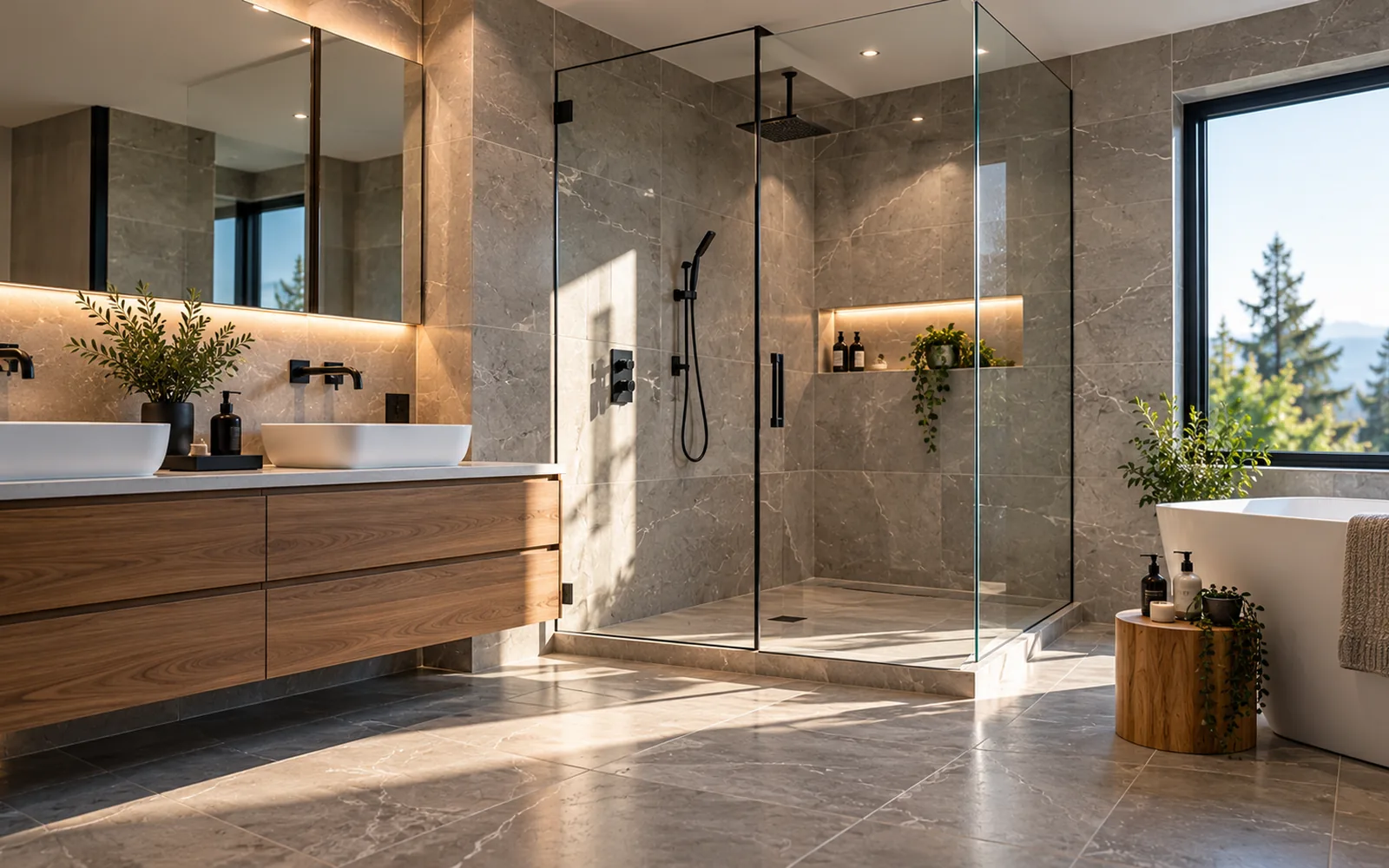
Choosing bathroom tiles is about more than selecting a colour you love. The right tiles can shape the entire look of your bathroom, influence everyday maintenance and help create a space that feels comfortable and practical for years to come.
If you are planning a bathroom renovation in Vancouver or the Lower Mainland, consider the tile material, size, finish, grout colour and installation requirements before making your final selection.
In this guide, we explain what to look for when choosing bathroom tiles and how to create a bathroom design that balances appearance, durability and functionality.
1. Choose the Right Bathroom Tile Material
The first decision is the material. Ceramic and porcelain are popular options, but their suitability depends on the product, intended location and manufacturer’s specifications.
Porcelain tiles
Porcelain tiles are dense and have low water absorption. They are available in many finishes, colours and sizes, including designs that resemble marble, concrete and natural stone.
They can be suitable for bathroom floors and walls when the selected product is rated for the intended application.
Ceramic tiles
Ceramic tiles offer a wide range of colours, patterns and decorative styles. They can work particularly well on bathroom walls, including vanity backsplashes and feature walls.
Not every ceramic tile is suitable for every floor or wet area, so check the manufacturer’s installation and use recommendations before buying.
Natural stone tiles
Natural stone can bring distinctive veining, texture and character to a bathroom. However, different stones have different maintenance requirements and may need appropriate sealing or specialist cleaning products.
Before choosing natural stone, understand its care requirements and confirm that it is suitable for the location where it will be installed.
2. Select a Tile Size That Suits Your Bathroom
Tile size affects the visual appearance of a bathroom, the number of grout joints and the complexity of installation.
Large-format tiles
Large-format tiles can create a contemporary appearance with fewer grout joints. They are popular for spacious shower walls, bathroom floors and minimalist designs.
However, large tiles require careful surface preparation. The substrate must meet the applicable flatness requirements, and the installation method must be appropriate for the tile size and material.
Medium-sized tiles
Medium-sized tiles offer flexibility across a range of bathroom styles. They can work well on floors, walls and around vanities, depending on the product and layout.
Small tiles and mosaics
Small-format tiles and mosaics are useful for decorative details, shower niches and curved surfaces. Some mosaic products may also be suitable for shower floors, but the selected tile must provide appropriate traction and be compatible with the floor and drainage design.
Design tip: Do not assume that a small bathroom must use small tiles. Large tiles can look excellent in compact spaces when the layout, cuts, drainage and surface preparation are planned properly.
3. Choose a Safe and Practical Tile Finish
A tile’s finish is both a design decision and a practical consideration.
Glossy tiles can reflect light and create a bright appearance. They are often used on walls and decorative features.
Matte and textured tiles can offer a more understated look. Depending on the product, they may also provide better traction in certain locations.
For bathroom floors, especially shower floors, select tiles specifically suited to the intended wet conditions. Ask the supplier for relevant slip-resistance information rather than relying on appearance alone.
A polished tile that looks attractive on a sample board may not be the right choice for a floor that regularly becomes wet.
4. Pick Colours That Work With Your Bathroom
The colour of your tiles can influence the mood and appearance of the entire room.
White and light neutral tiles
White, cream and pale grey tiles can help create a bright, clean aesthetic. They work well with natural wood, chrome fixtures and many contemporary bathroom designs.
Grey and stone-inspired tiles
Grey tiles and stone-look porcelain offer a modern, understated style. Different shades can be combined to distinguish the shower area, floor and vanity wall.
Warm beige and earthy tones
Beige, sand and warm stone-inspired colours can create a softer atmosphere. These shades pair well with timber cabinetry, brushed metal fixtures and warm lighting.
Dark feature tiles
Charcoal and darker tiles can create a dramatic focal point, particularly on a feature wall or inside a shower.
Before committing to a colour, inspect the tile under lighting similar to your bathroom’s lighting. Also consider how the tile will look alongside the countertop, cabinetry, fixtures and paint.
5. Do Not Overlook Grout Colour
Grout is an important part of the finished design. It can make the same tile look noticeably different depending on the colour and joint layout.
Matching grout creates a more continuous appearance, particularly with large-format tiles. Contrasting grout highlights individual tiles and can emphasize geometric patterns.
Consider the practical side as well. Very light grout in high-use areas may show staining more readily, depending on the grout product, cleaning habits and conditions.
The appropriate grout type, joint width and maintenance method depend on the tile and installation system. Follow the product manufacturer’s recommendations.
6. Plan Shower Tiles and Waterproofing Carefully
A beautiful shower needs more than attractive tiles.
The shower assembly must be designed and installed with suitable waterproofing, drainage, substrate preparation and compatible installation materials. Tile and grout alone should not be treated as a substitute for a properly designed waterproofing system.
Before installation, consider:
The position and slope of the shower floor and drain.
The size and layout of the floor tiles.
The placement of niches, benches and other features.
The waterproofing system and compatible installation materials.
The locations of cuts, corners and transitions.
These details should be planned before the tiles are installed to reduce avoidable layout problems.
7. Consider Maintenance Before You Buy
A tile that looks beautiful in a showroom should also suit your daily routine.
Ask the supplier about cleaning products, sealing requirements, grout care and any restrictions for the selected material.
Porcelain and glazed ceramic surfaces are often straightforward to maintain, but grout and certain specialty surfaces can require additional attention. Natural stone may need product-specific care.
Avoid assuming that every tile or grout product needs the same cleaning method or sealer. Always follow the relevant manufacturer’s guidance.
8. Why Professional Tile Installation Matters
Even excellent tiles can produce disappointing results if the layout or installation is poorly planned.
Professional installation involves evaluating the substrate, planning the tile pattern, selecting compatible materials, making accurate cuts and managing transitions, joints and finishing details.
Large-format tiles, shower installations and complex patterns may require additional preparation and specialist techniques.
If you are renovating a bathroom in Vancouver or the Lower Mainland, discuss your tile selection and installation requirements before ordering materials. This helps ensure that the chosen product is suitable for the intended application and design.
Frequently Asked Questions
Which tiles are best for bathroom floors?
The best option depends on the location, intended use, slip resistance, water exposure and manufacturer’s recommendations. Porcelain is a popular choice, but not every porcelain finish is suitable for every wet floor.
Are large tiles suitable for a small bathroom?
Yes. Large tiles can create a clean, contemporary appearance and reduce the number of grout joints. Proper layout planning and surface preparation are important.
Should bathroom wall and floor tiles match?
They do not have to match. You can use complementary colours, different sizes or contrasting finishes to create a coordinated design.
Is grout colour important?
Yes. Grout affects the overall appearance and can influence how visible the joints, dirt and staining become. Choose a compatible grout product and follow its maintenance instructions.
When should I contact a tile installer?
Contact an installer while planning your renovation, ideally before finalizing tile quantities and ordering materials. Early advice can help with layout, product suitability and preparation requirements.
Plan Your Bathroom Tile Installation
Choosing the right bathroom tiles is the first step toward a space that looks beautiful and works well for everyday living.
Finest Tiling serves homeowners in Vancouver and the Lower Mainland. If you are planning a bathroom, shower or floor tiling project, contact our team to discuss your requirements and the next steps.
Ready to discuss your project? Visit our website or contact Finest Tiling to enquire about tile installation services.
Tile suitability and installation requirements vary by product and site conditions. Confirm specifications with the tile manufacturer and your installer before purchasing materials.
Have Any Question?
Planning a renovation? Get helpful tile ideas, design inspiration and practical tips for your next home project.
- (778) 714-7027
- info@finesttiling.ca